
What Are You Doing With the Time You Save?
We're constantly trying to gain more time: automating processes, optimizing our workflows, building more robust systems, and searching for tools that make it easier to do more with less effort. Often, we gauge a lot of our productivity by how much we can accomplish within a given day.
But what happens after all those productivity hacks actually work?
Recently at FoundrSpace Pasadena, two members hosted seemingly opposite events on the same day. In their own unique ways, both events asked a similar question.
A Morning Dedicated To Play
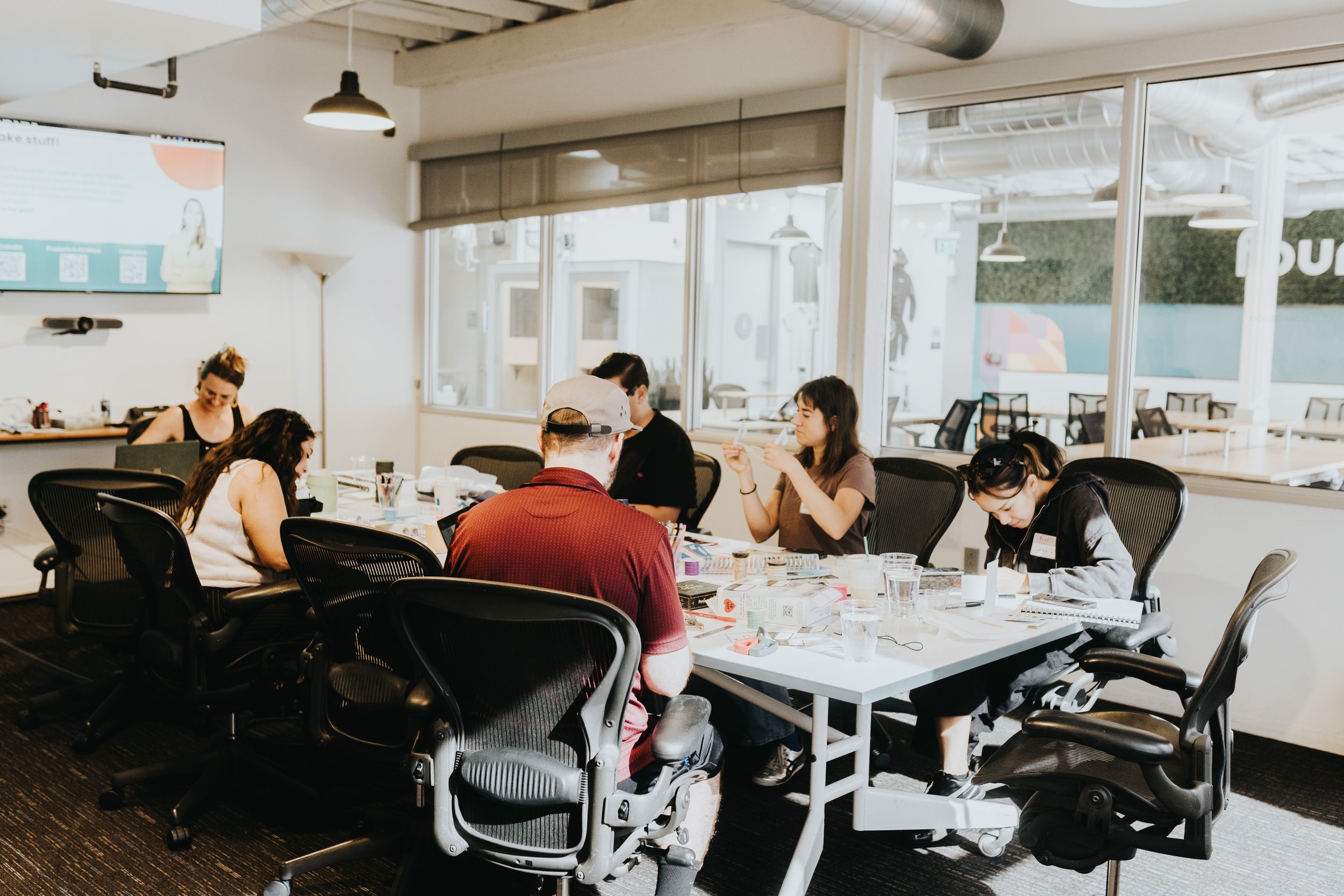
Photo by Lyka Gozon
The day started with an event called "Creative Recharge," hosted by Katrina Pineda of Playtronus. A variety of art supplies were gathered around the table and attendees crafted while having discussions revolving around work, creativity, and burnout.
The message of the activity was simple: Being creative doesn’t always need to yield something useful. Sometimes, recharging looks a lot like giving yourself explicit permission to explore, create, experiment, or play without the requirement of your play becoming a new addition to your CV, portfolio, or task list.
An Evening Dedicated To Productivity
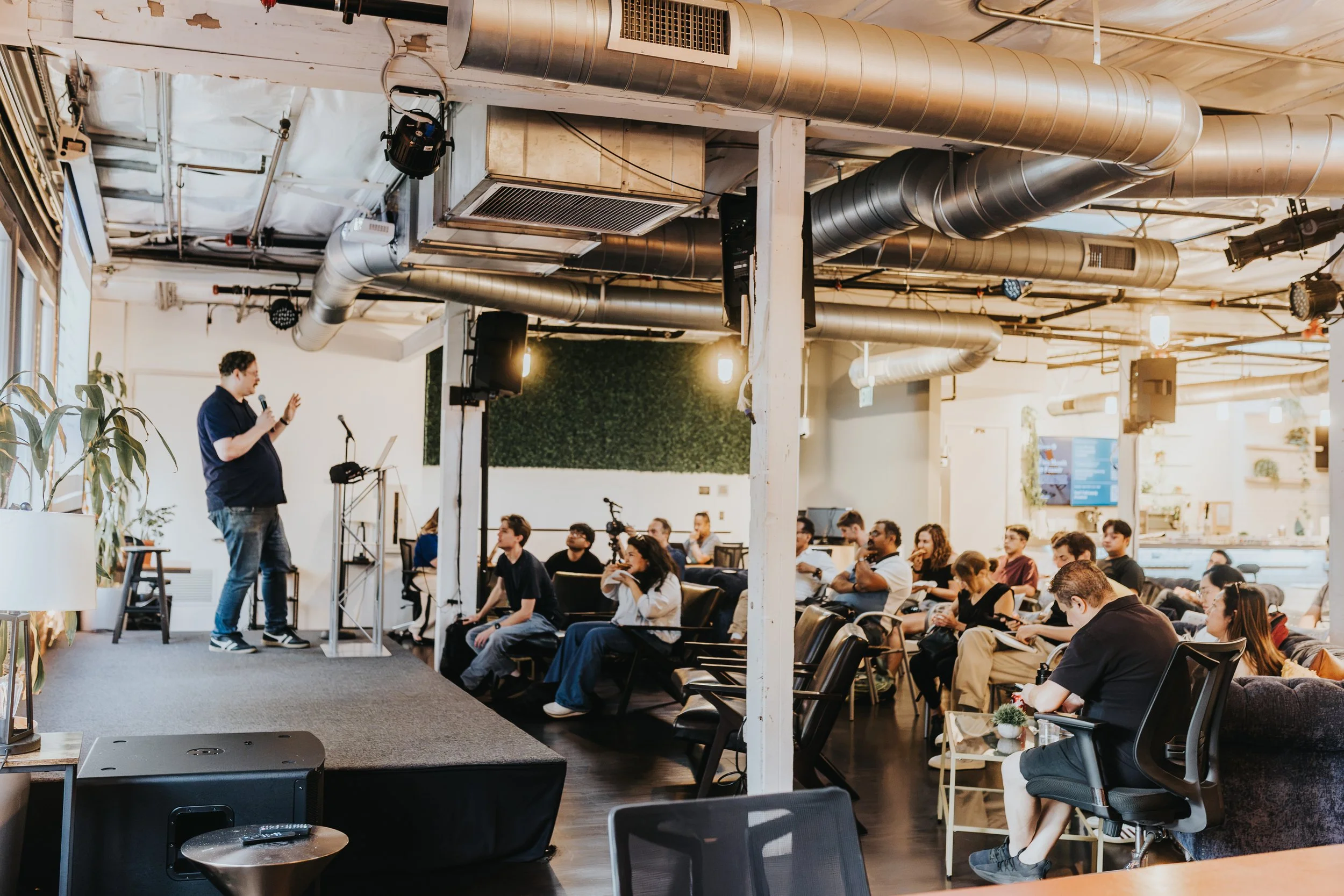
Photo by Lyka Gozon
In the evening, attendees flocked to FoundrSpace Pasadena for an unofficial Claude users meetup hosted by Alex Vasquez. Selected presenters shared their personal use-cases, a myriad of tool creations, and ultimately, the many ways they’re able to use Claude to streamline work processes and create additional bandwidth.
After the presentations, attendees spent the next hour networking and trading ideas about what they'd built and where these tools could take their workflows next. The projects were different, but all shared a common goal of reducing friction, automating repetitive work, and freeing up time for the things that actually require human attention.
And so another question emerged:
Once we get that time back, what are we going to do with it?
It’s exciting to hit upon a technology or system that collapses an hour-long endeavor into a 10-minute one. But it’s equally human to then immediately begin looking to fill the other 50 minutes we just freed up.
If every gain in productivity is simply viewed as the opportunity to squeeze in more output, we can become extraordinarily productive, but conversely, we can also still feel as if we're constantly behind.
There’s nothing wrong with the desire to get more done. However, maybe the metric for productivity innovation isn't how many more tasks we’re now able to cram into our days. Perhaps, it's how many more opportunities we’re now able to reclaim within them.
An uninterrupted lunch.
A walk in fresh air.
The freedom to doodle, strum an instrument, read for pleasure, or build something simply because we’re interested in it.
Sometimes, the most productive work we can do in the time we’ve gained is to intentionally refuse to make it productive at all.
The next time a new tool or helpful system grants you an additional amount of free time, try to resist the automatic impulse to fill it. What will you do that has absolutely nothing to do with getting ahead? What will you create that isn’t content, a deliverable, or a business endeavor? It may seem shallow (and dare I say, unproductive…) on the surface, but that break could provide you more benefits than you think.
What might truly and authentically reenergize and refresh you?
At FoundrSpace, we’re always intrigued by the conversations, projects, and communities that help us explore innovative ways of working, and the way we spend the time outside of it. Be sure to check out the upcoming events we have lined up (the events mentioned in this post will be happening again in September!), and discover how you can learn, connect, and create something new.
Before closing out today, ask yourself: What’s something you could carve out a little more space for?